
Retirement, assisted living & long-term care
Pest Control for Seniors Housing
Structured, low-disruption pest management designed for retirement homes, assisted living facilities, long-term care environments, and senior homes — with clear documentation and compassionate execution.
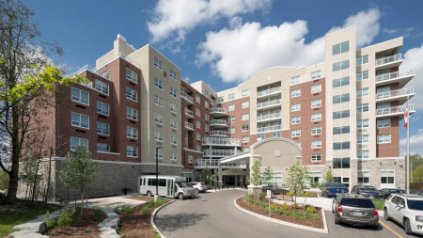
Your Problem
Pest issues in seniors housing are often underreported and more difficult to manage due to resident mobility limitations, health sensitivities, and the need for low-disruption service delivery.
The Result
Infestations can spread before they are detected, treatments become more complex, and risks to resident wellbeing, staff workload, and facility reputation increase significantly.
Our Approach
Leap Pest Control provides a structured, low-disruption pest management program designed specifically for seniors environments, combining detailed inspections, controlled treatments, and ongoing monitoring with clear documentation.
Why it gets complicated
Common Problems & Root Causes
High sensitivity to chemicals and treatments can complicate pest control efforts, especially when residents are unable to properly prepare their units. The rapid spread of pests between rooms, combined with increased complaints and risk of health and safety impacts can quickly overwhelm staff and result in reputational risk. This often leads to urgent situations requiring immediate and intensive response.
Several factors complicate effective pest management, particularly in multi-unit dwellings. Challenges include limited mobility among some residents, which can affect their ability to prepare for treatments, and significant clutter or storage issues within units. Structural entry points in the building itself, along with shared walls and interconnected ventilation systems, allow pests to move easily between units. Delayed reporting of pest sightings by residents can allow infestations to spread before they are addressed.
Compassionate, consistent, integrated
The Leap Difference
Most pest control services rely heavily on resident preparation and reactive treatments. In seniors housing, this often results in incomplete treatments, repeat infestations, and ongoing service without resolution. With experience navigating vulnerable environments, our team is dedicated to compassionate service delivery. We commit to never using subcontractors, ensuring consistent quality, and offer the unique advantage of integrated cleaning and pest control services.
We offer comprehensive pest management documentation, which includes resident-sensitive service plans, detailed unit-level reporting, up-to-date treatment logs, clear risk identification, and proactive recommendations for prevention.
Controlled Treatment Strategy
Our approach is characterized by precision, safety, focusing on targeted applications and reduced exposure methods. We complete detailed room-by-room planning to ensure effective and contained treatment.
Resident Support Coordination
Preparation guidance and support planning for vulnerable residents are essential components of our strategy.
Ongoing Monitoring
Routine inspections and early detection systems are crucial components of a comprehensive strategy.
Reporting
Clear documentation and staff-ready summaries are essential components for effective knowledge transfer and operational efficiency.
Sensitive Inspection Protocol
We ensure minimal disruption to residents with discreet inspections and efficient staff coordination.
We manage pest control as a coordinated system, not isolated treatments. We complete structured inspections with unit-level reporting, identify high-risk conditions, implement targeted treatment plans, and maintain ongoing monitoring with clear follow-up and documentation. Our technicians are cross-trained in pest control, sanitation, and high-risk environments. Through our integration with Extreme Cleanup Inc, we address clutter, hygiene issues, and environmental conditions that contribute to infestations — not just the pests themselves.
For staff and residents
Know the risks, spot the signs
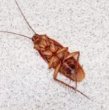
Common Pest Risks
Bed bugs are commonly found in sleeping areas and spread through furniture and personal belongings. Cockroaches are typically found in kitchens and bathrooms and thrive in moisture and food sources. Rodents enter through structural gaps and are active in walls, basements, and service areas.
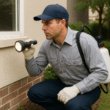
Signs to Look For
Bed bugs often present as bites, spotting on bedding, or activity in mattress seams. Cockroaches leave droppings, produce odor, and are often seen at night. Rodents are identified through droppings, scratching sounds, and gnaw marks.
What To Do
If no activity is present, focus on early reporting, reducing clutter, and maintaining cleanliness throughout units and common areas. If activity is present, report immediately, avoid self-treatment, limit movement of furniture or belongings, and follow preparation instructions provided by management.
Inspection reporting
Our Comprehensive Inspection Reporting and Service Proposal
Check out our inspection and reporting system and experience the Leap difference!
A building inspection and risk assessment is recommended to identify current pest activity, determine high-risk areas, and establish a structured plan for control and prevention.